Bjorn Claes · Writing
Does art have to be hard?
On AI, value and the myth of toil
There’s a persistent belief that anything of real value, and especially art, must be the product of hardship, effort, even suffering. As if beauty only earns its right to exist after the creator has paid a sufficient price in sweat and solitude.
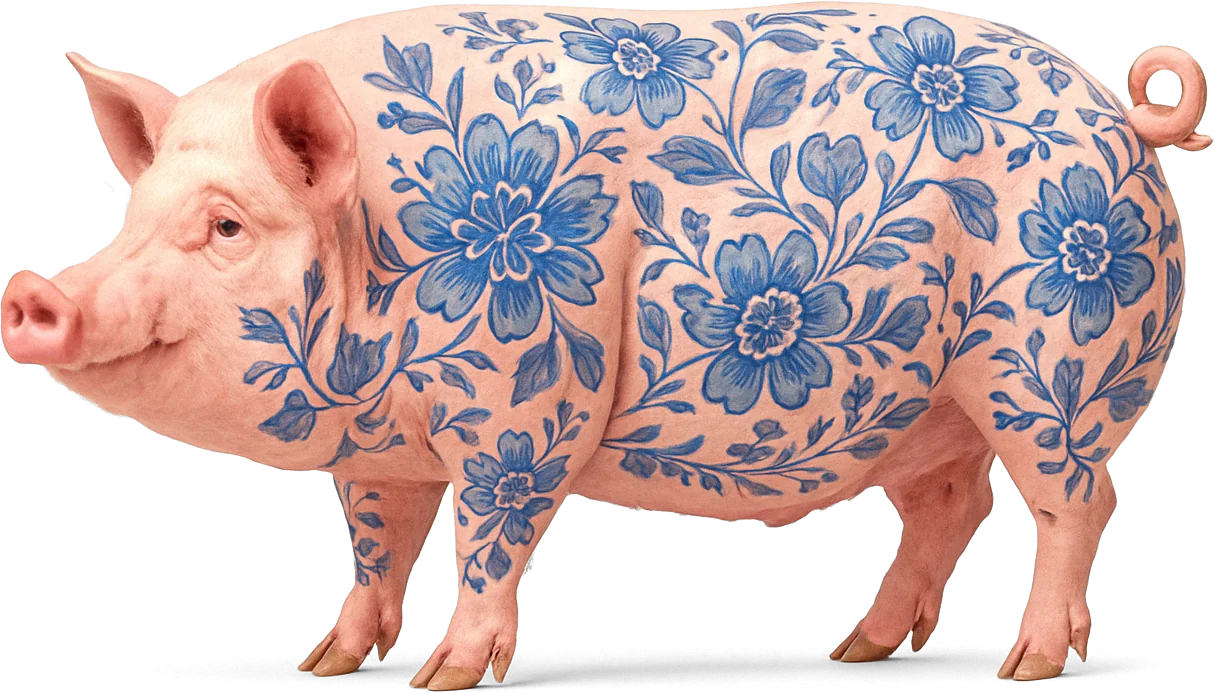
And sure, we rightly admire those who dedicate years to mastering their craft. But admiration for effort isn’t the same as artistic merit. Does a piece become more meaningful simply because it was hard to make?
What about the other side of the spectrum? Serendipitous discoveries, brilliant shortcuts, creative sparks born in moments, not marathons. Are those inherently worth less? Just because they bypassed the struggle?
In science or engineering, we tend to accept this. But in the arts, it gets emotional.
The romance of the struggling artist
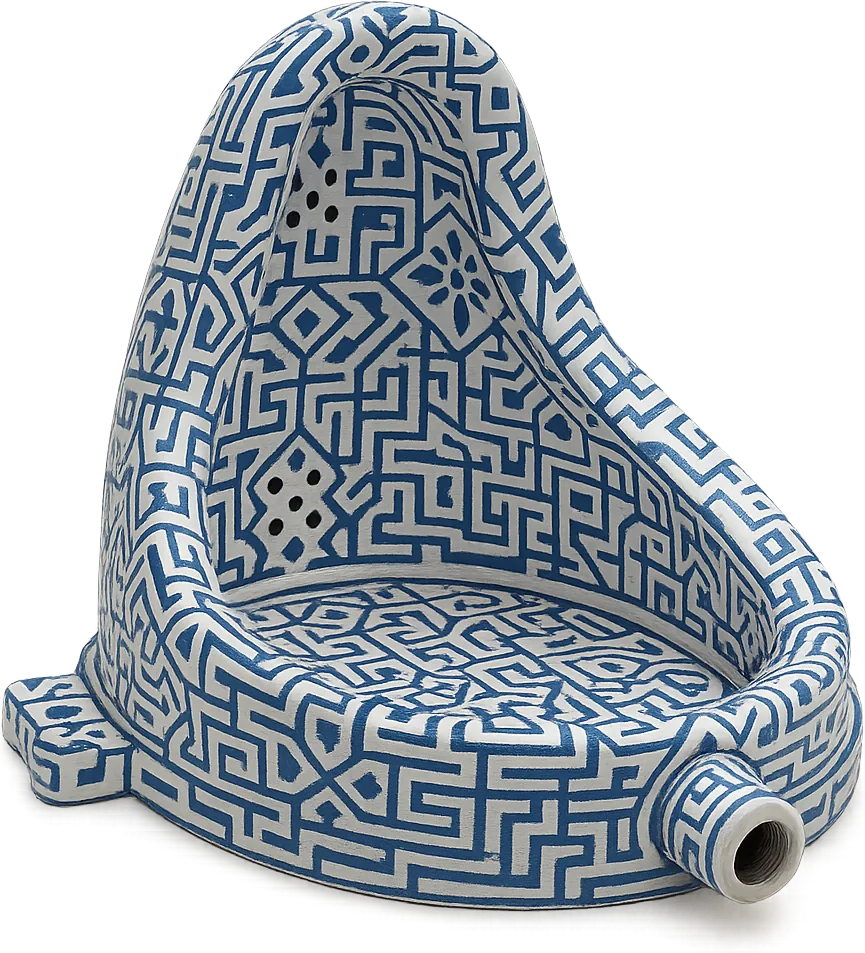
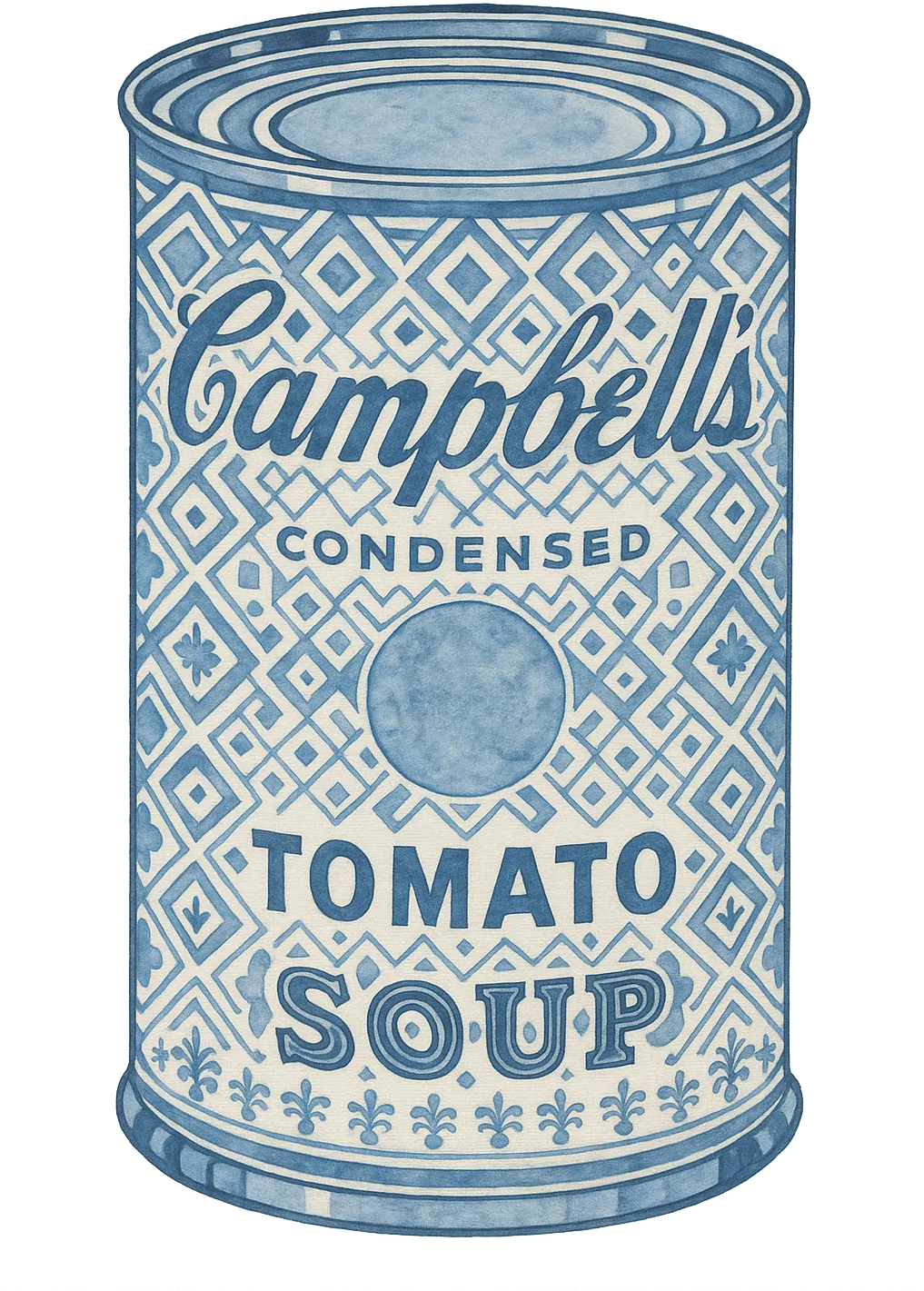
We love the romantic trope of the tortured artist: the painter battling his demons in a damp attic, the writer bleeding truth onto the page in isolation. Rarely true, often mythologised, but it sells. What’s curious, though, is how little resistance there is when artists deliberately shatter that image. Think of Warhol, Koons, Duchamp. They challenged the sanctity of the “artistic process”, even mocking it at times. And they got away with it, not because their work was painstakingly made, but because it struck a nerve. Their value lay in meaning, not effort.
AI and the value reflex
Artificial intelligence. A technology that drastically lowers the entry barrier for creative production. Suddenly, anyone can generate something that looks like art. But as soon as we find out AI was involved, our perception shifts.
There is research on this. In a study by Bellaiche and colleagues (2023), people saw artworks labelled either as made by a human or as made by AI. The “human” work scored higher on every measure. Tellingly, the gap was small for “beautiful” and large for “profound” and “worth”. And the effort people sensed in a work counted mainly when they believed a human was behind it.
Why? Because we tend to conflate effort with value. Or because, behind a machine, we sense no one with something to say. Or worse: we feel AI is cheating. It’s trained on the works of real artists, so the logic goes, anything it produces must be derivative. Or even theft.
A needed pause for perspective
No artwork appears out of nowhere. Every artist is a product of their influences: techniques learned, materials used, cultural references absorbed, masters admired or defied. Strip all that away, and very little remains.
AI is not fundamentally different. It’s trained on a broad array of existing data and recombines it to generate something new. Just like we do, albeit with exponentially more source material and none of the human context.
Should AI developers then compensate the creators whose works fuel their models? One could object that we, as creatives, would then also have to pay for every source we quote, remix or subconsciously echo. But the comparison limps. Whoever samples asks permission and pays. Whoever learns a style does so over a lifetime, not with millions of works at once. And an artist who absorbs an influence rarely takes over the market of the one who influenced them. Those objections are real, and compensation for training data is no absurd idea.
But that is a question of fair distribution, not of value. It says something about how a work came to be, nothing about what it does to whoever looks at it.
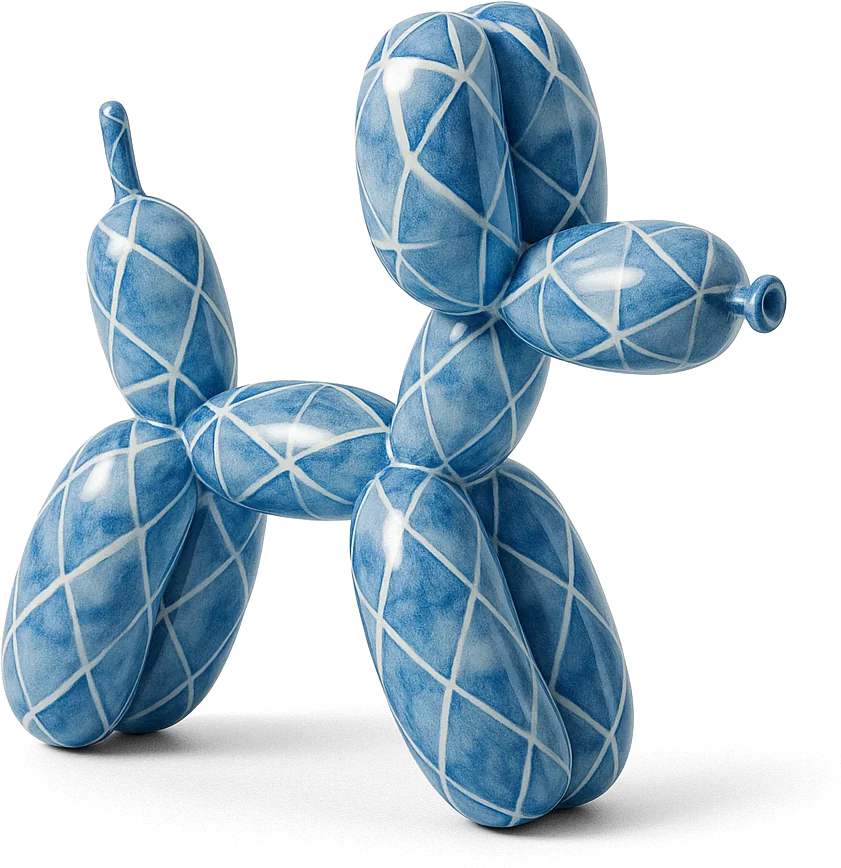
What really adds value
So what makes something truly valuable in the arts?
Not effort. Not craft, per se. But the ability to combine existing elements in a way that resonates. That sparks thought, emotion, dialogue. That adds something. And that can be true for both humans and machines.
There are countless technically proficient artists who never move us. Skilled imitators, copycats, masters of technique who fall short of surprise or soul. No one accuses them of theft, unless they try to pass it off as something it’s not.
The same applies to AI-generated art. Most of it is hobbyist-grade. Generic. Predictable. Perhaps appealing, sometimes even beautiful, but rarely threatening. True art only happens when someone, with or without AI, creates something that nudges us, jars us, or expands us.
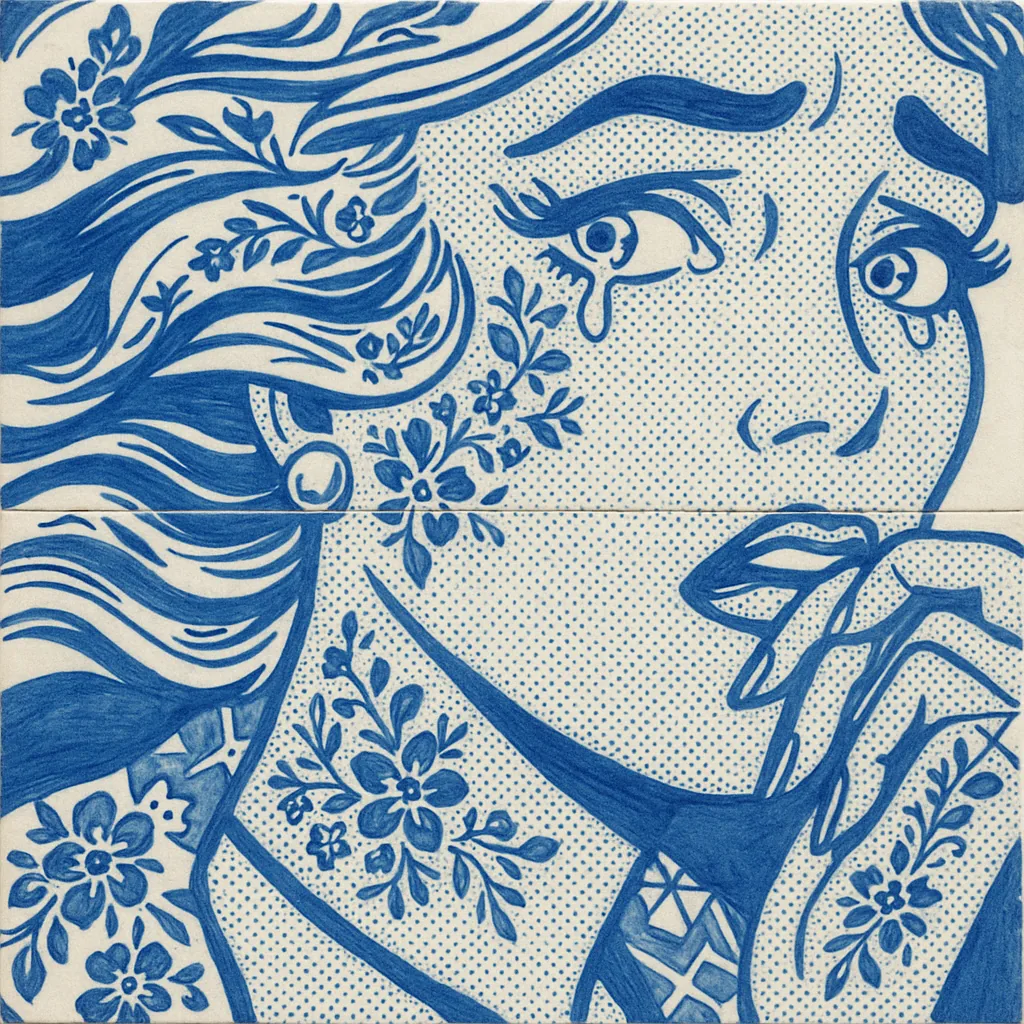
When AI becomes a creative partner
Today’s art world already embraces tools that blur authorship: ready-mades, samples, found footage, digital collages. DJs, fashion designers, filmmakers, even painters outsource or reuse, and we seldom question their legitimacy.
Why is AI different? Maybe because it’s too fast. Too cheap. Too accessible. It threatens our sense of fairness.
But again: it’s not about the how, but the what and why. If AI helps artists stretch their imagination, then it’s not a threat. It’s a tool. Just like the camera once was. Or the synthesizer. Or Photoshop.
So, what’s the real role of the artist?
To me, the essence of art lies in finding a voice (a visual or sonic or linguistic language) that communicates in a unique and impactful way. Not with everyone. But with someone.
Whether that language is spoken in brushstrokes, pixels or prompts doesn’t matter nearly as much as we think.
Art doesn’t have to reek of sweat to be worthy. But it does have to leave something behind. A shift in perspective. A feeling. A fragment that lingers. And for that, we’ll still need artists. With or without AI in their toolbox.
Written on 15 April 2025 and published on LinkedIn on 19 February 2026. Reworked for this site in November 2026: the research is now named, and the passage on compensation is sharper.
All images: Bjorn Claes, made with AI in Delft blue.